Is your Old Irving Park home rich with character but not quite photo ready? You are not alone. Many sellers in this classic Greensboro enclave want to honor period details while showing a move-in-ready lifestyle buyers expect today. In this guide, you will learn how to stage for scale, polish the exterior, and plan photography that leads with your home’s strongest assets. Let’s dive in.
Showcase period character first
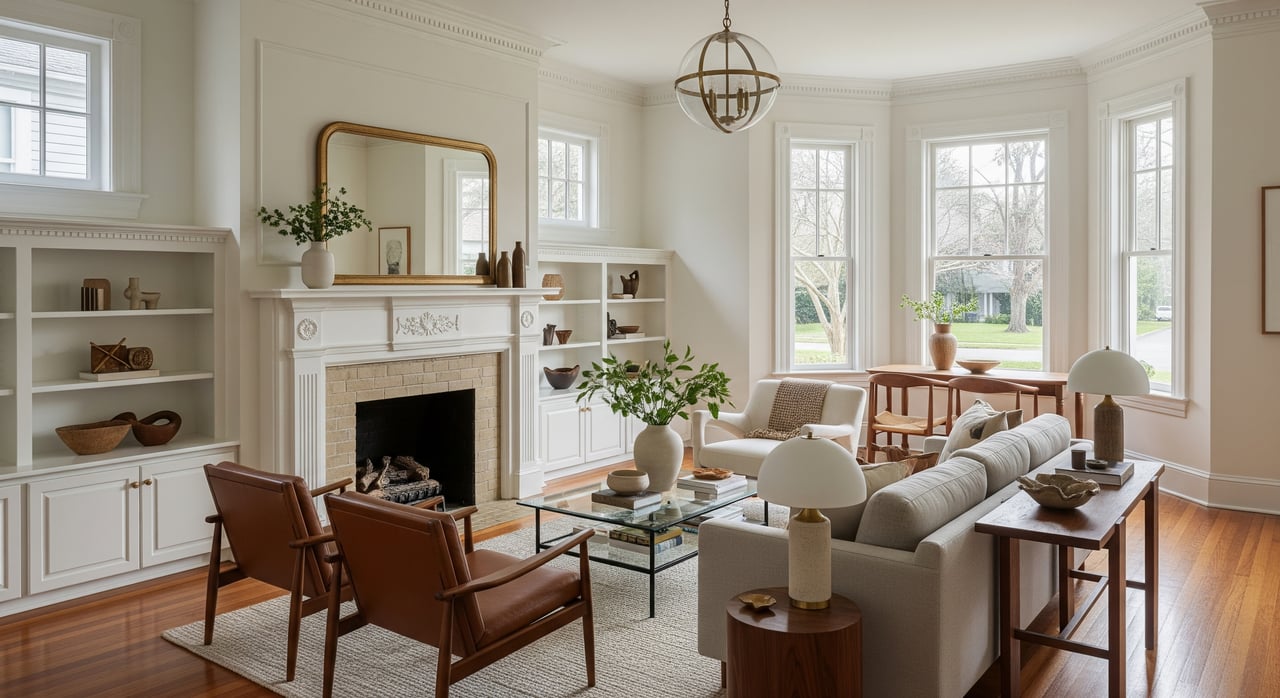
Irving Park buyers love original woodwork, built-ins, hardwood floors, fireplaces, formal rooms, porches, and mature landscaping. Your goal is to frame these details so the eye reads them first. Keep furnishings refined and neutral so architecture does the heavy lifting.
Luxury and move-up buyers look for quality finishes, clear room function, easy entertaining flow, well-appointed primary suites, and low perceived maintenance. Reduce visual noise, then layer in high-quality, appropriately scaled pieces that signal modern comfort, such as a casual seating zone off a formal room or a tidy home office niche.
Get scale and proportion right
- Choose larger sofas, chairs, and rugs that match room volume. Undersized furniture can make gracious rooms feel empty.
- Maintain open pathways of about 30 to 36 inches between groupings so visitors can envision everyday movement and entertaining flow.
- Size rugs so at least the front legs of major seating land on the rug. In bedrooms, run the rug under the bed and nightstands.
- Address tall ceilings with vertical elements. Consider floor lamps, a tall bookcase, or an elegant mirror over the mantel, and use layered lighting so rooms feel warm, not cavernous.
- In larger formal spaces, show multiple zones. Pair a conversation grouping with a reading nook to communicate function and flexibility.
- In dining rooms, let the table fit the room. Hang the chandelier about 30 to 36 inches above the tabletop for standard ceilings and scale thoughtfully for higher ceilings.
Elevate curb appeal in Old Irving Park
First impressions count on tree-lined streets. Focus on a few high-impact moves that signal care and quality.
- Front door refresh: Apply a classic, neighborhood-appropriate paint color, clean or update hardware, and add new house numbers and a quality doormat.
- Porch styling: Keep it welcoming with a bench or a pair of chairs, tailored cushions, and potted plants sized to the space.
- Hardscape cleanup: Power-wash walkways and the drive, repair cracks, and neatly edge garden beds.
- Landscaping tune-up: Prune shrubs to reveal architectural lines, add seasonal color in planters, replace dead plants, and refresh mulch. Keep the plant palette restrained to fit mature lots.
- Lighting upgrade: Add or update pathway and porch fixtures for a warm, secure look. Consider showcasing façade lighting at dusk for photos.
- Fix street-visible issues: Address peeling paint, clogged gutters, and roof stains before listing to boost perceived value.
Before exterior changes, confirm any HOA, local historic district, or preservation guidelines that apply to your property.
Interior fixes with strong perceived ROI
- Deep clean and repair: Professionally clean carpets and hard surfaces, repair plaster, and touch up paint in high-traffic areas. Tighten or replace loose hardware and fix minor leaks.
- Kitchen and bath refresh: You may not need a full remodel. Update cabinet hardware, regrout tile, swap dated lighting, or consider new countertops in a neutral stone look if surfaces are worn.
- Closets and storage: Declutter and stage closets to show generous storage. A few well-placed organizers in the primary closet can elevate the feel.
- Lighting upgrades: Replace dated fixtures with style-appropriate options. Add bedside and task lighting so each space reads as functional and inviting.
- Flooring care: Restore original hardwoods where possible. Use area rugs to define zones and soften stone or tile floors.
Declutter and define purpose
Remove personal photos, political items, and niche hobby displays. Curate a few high-quality accessories, like a sculptural bowl, a stack of art books, or fresh flowers. Give each room a clear role that aligns with buyer expectations. If a formal parlor is typical of your floor plan, stage it as a comfortable entertaining space rather than a museum of antiques.
Color and finishes that flatter
Keep the palette timeless. Warm neutrals and soft grays tend to flatter historic homes and let millwork and windows shine. Use accent colors sparingly in textiles and art. If you highlight trim or moldings with a contrasting color, keep the approach consistent through main rooms and ensure it feels historically sympathetic.
For exterior paint, consult historic palettes if your home falls under preservation oversight. Otherwise, choose durable, fade-resistant options and coordinate trim, shutters, and the front door for cohesive curb appeal.
Room-by-room highlights
Entry and foyer
- Keep the path open and uncluttered to draw the eye inward.
- Add a slim console, a mirror, and a tailored rug to signal welcome and quality.
- Emphasize sightlines into main living spaces to preview flow.
Living and formal rooms
- Center the fireplace and millwork as focal points.
- Create an intimate conversation zone and a secondary reading or music nook.
- Use taller art and floor lamps to complement ceiling height.
Kitchen
- Clear counters and store small appliances to show workspace.
- Stage a small breakfast moment and bring in fresh flowers or a bowl of citrus for color.
- Ensure layered lighting so the room photographs bright and clean.
Dining room
- Right-size the table and chairs for the room.
- Install a quality chandelier at the correct height.
- Keep sideboard styling understated and elegant.
Primary suite
- Present a calm retreat with quality linens and plush pillows.
- Add matching bedside lamps and keep surfaces uncluttered.
- If space allows, include a sitting area to underscore luxury.
Secondary bedrooms
- Stage as guest rooms or a well-organized home office to broaden appeal.
- Keep colors neutral and furniture proportional.
Basement and attic
If finished, define a purpose such as a media room, gym, or office.
If unfinished, clean and secure the space and note potential uses in the listing.
Plan your photos like a pro
Prepare the home so your strongest features lead the story online. Prioritize staging and cleaning for exteriors, main living areas, the kitchen, and the primary suite first, since these images drive clicks.
- Before photos: Turn on all lights, open blinds, tidy cords, and remove cars from the driveway and street if possible. Aim for early afternoon for interior daylight, and consider a dusk shot to showcase exterior lighting.
- Shot sequence for online galleries:
- Hero front elevation that captures curb appeal. Consider a twilight version.
- Entry or foyer to set flow.
- Primary living or family room.
- Best kitchen angle.
- Formal dining room, staged to scale.
- Primary bedroom suite.
- Primary bath highlights.
- Value-adding secondary spaces like an office, finished basement, sunroom, or library.
- Backyard and outdoor living.
- Detail shots of millwork, built-ins, or the mantel.
- Keep galleries curated. Avoid redundant or cluttered images that dilute impact.
- Drone and aerials can be useful for larger lots and tree canopy views if permitted. Use sparingly and in line with regulations.
- Virtual staging can help with vacant rooms, but disclose its use. For luxury listings, physical staging usually reads as more authentic.
Timeline and budget, simplified
- 4 to 6 weeks out: Schedule repair work, deep cleaning, exterior fixes, and landscaping that require contractors.
- 1 to 2 weeks out: Arrange furniture rental and staging installation if needed.
- 2 to 3 days before photos: Final clean, adjust styling, and check lighting.
Hiring professionals can streamline results. Look for a staging company with experience in historic or period homes and a photographer who regularly shoots luxury properties in neighborhoods like Irving Park. If you prefer a DIY approach, consider renting a few key pieces such as a large sofa, an area rug, or refined dining chairs to scale rooms correctly.
If you are prioritizing spend, focus on curb appeal, kitchen and bath refreshes, decluttering and cleaning, lighting upgrades, and professional photography. Full-service staging is common at the higher end and can influence buyer perception. For modest budgets, a thoughtful cleaning, paint touchups, a landscaping refresh, updated entry hardware and light fixtures, and strategic furniture placement go a long way.
Ready to list with confidence?
When you are selling in Old Irving Park, the right staging plan respects your home’s character and shows a lifestyle buyers are eager to step into. If you want help prioritizing updates, sourcing the right rentals, and executing a photography plan that showcases your strongest assets, partner with a local expert who does this every day. Reach out to Colleen Long for a room-by-room staging consult, vendor coordination, and a marketing-first listing strategy that commands attention.
FAQs
Should I modernize original features in an Old Irving Park home?
- Preserve and highlight original features, then update surrounding finishes and furnishings to feel current without removing character.
How much furniture should I use in large rooms?
- Choose larger, quality pieces and create multiple zones to show function, rather than leaving big rooms sparse or using undersized furniture.
When is professional staging worth it for luxury listings?
- In a high-end enclave, professional staging often improves buyer perception and supports premium pricing; DIY can work with strong design skills and key rentals.
Do I need exterior lighting before listing photos?
- Yes. Path and façade lighting improve curb appeal and enable a compelling dusk shot that elevates your online presence.
Do buyers expect open floor plans in historic homes?
- Buyers value flow for entertaining. If formal rooms remain, stage them for flexible use, such as formal living, family space, or a home office.