Thinking about relocating to High Point and trying to figure out where to start? You’re not alone. When you have limited time, it helps to see how neighborhoods line up with home styles, daily routines, and commute options. In this guide, you’ll get a clear, local view of High Point’s key areas, what homes you’ll find in each, and how to plan a smart first visit. Let’s dive in.
How High Point fits in the Triad
High Point sits within the Piedmont Triad alongside Greensboro and Winston-Salem. Most of the city is in Guilford County, with areas extending into Randolph, Davidson, and Forsyth. That multi-county footprint can affect school zones, utilities, and tax rates by parcel, so it pays to confirm details for any specific address with the City and county resources.
High Point’s identity is closely tied to the furniture industry. The biannual High Point Market brings a surge of visitors and activity to the core. During Market weeks, downtown streets, hotels, and short-term rentals run busy, which can be a plus if you want to be in the middle of the action for client meetings or showroom visits.
Neighborhoods and home styles
Below is a practical map of five house-hunting zones. Each includes what you’ll typically find, common home styles, and who tends to gravitate there.
Downtown and Uptowne core
You’ll find compact blocks, a growing food and events scene, and easy access to transit. The area around Truist Point features a popular food hall and public plaza, and the Amtrak station adds regional reach through Amtrak’s Piedmont and Carolinian service.
Typical homes include apartments, loft conversions, townhomes, and some historic single-family houses near the West High and Oakwood corridors. If you want walkable dining, occasional car-free days, and quick access to showrooms during Market, this area can be a smart fit. Expect smaller lot sizes and a mix of new infill next to older homes.
Uptown Suburbs, Emerywood, Johnson Place, Sherrod Park
Tree-lined streets and early- to mid-20th-century architecture give these neighborhoods lasting appeal. The Uptown Suburbs historic district aggregates Johnson Place, Roland Park, Sheraton Hill, and Emerywood. You’ll see Craftsman bungalows, Colonial Revival and Tudor-influenced homes, and larger period residences from the 1930s to 1950s.
If character, mature landscaping, and larger lots are high on your list, start here. Exterior work on homes in historic overlays may require approvals, so review the City’s guidance on preservation through the City of High Point before you buy.
Oak Hollow Lake, Deep River, and nearby lakeside areas
This corridor blends green space with convenience. Oak Hollow Lake and City Lake Park anchor local recreation, with marina access, trails, and golf nearby. The Official Destination Guide is a good snapshot of parks and amenities.
Home styles range from mid-century ranches and brick colonials to lakeside cottages and newer subdivisions on larger lots. If you want everyday access to water views, parks, and golf, this area offers a suburban-lakes lifestyle with quick routes toward Greensboro via NC-68.
West and near-downtown older neighborhoods
Montlieu, Oakwood, and West High offer historic housing on compact lots close to the core. You’ll see Queen Anne, early bungalows, and modest Colonial Revivals, with some homes restored and others primed for renovation. This cluster works if you’re seeking a lower entry point into historic homes or a project with upside, all within a short drive to downtown amenities.
South and outlying newer subdivisions
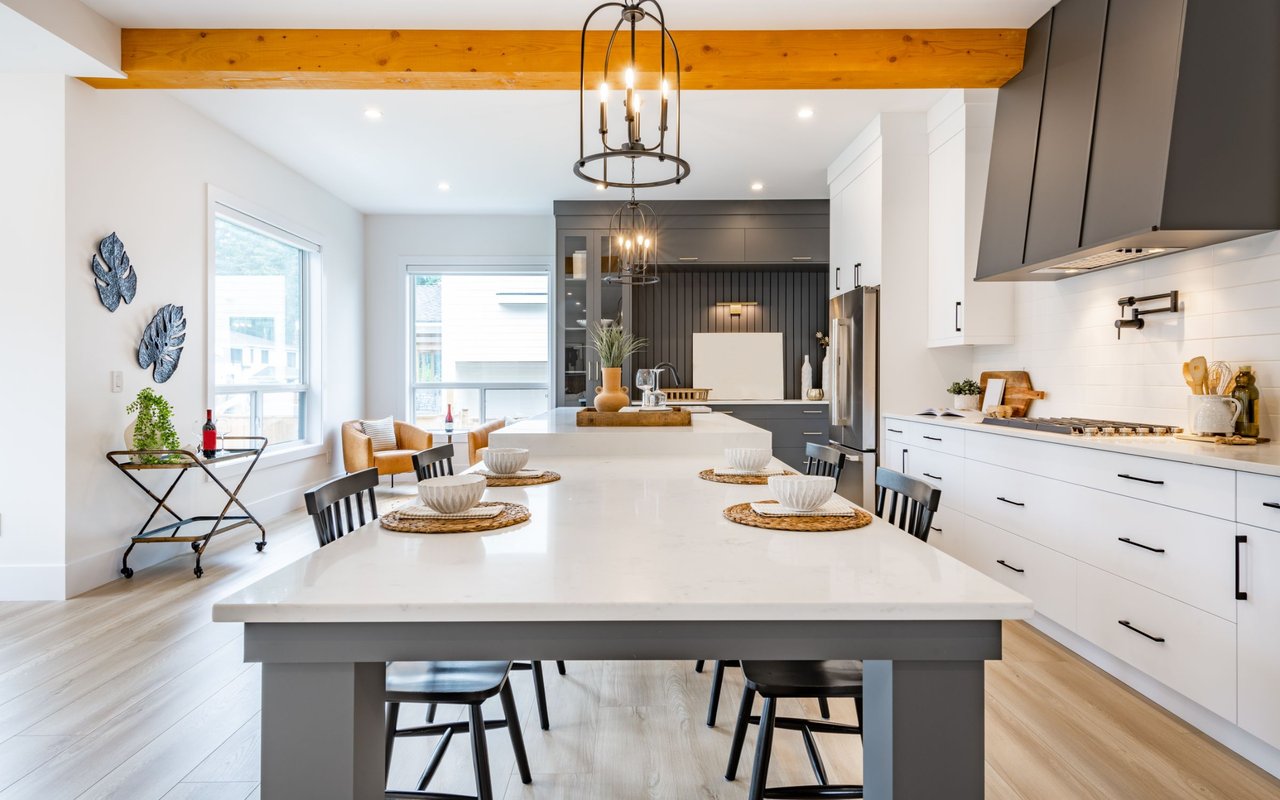
South and outer High Point features planned communities and newer construction from the 1990s to present. Expect cul-de-sacs, HOA amenities, open-plan interiors, and larger footprints with generous garage and driveway setups. If you prefer move-in-ready finishes, flexible living spaces, and a suburban feel, this area typically checks those boxes and streamlines commuting across the Triad.
Commute and transit at a glance
Most residents drive for daily routines. When you test a neighborhood, time your route to work during peak hours to measure real-world traffic on I-85, I-40, and NC-68.
- Rail: High Point’s Amtrak station anchors intercity service on the Piedmont and Carolinian, with connections that make day trips across the state realistic without a car. Learn more on NC By Train.
- Local buses: High Point Transit, known as Hi-Tran, operates fixed routes out of the Broad Avenue terminal. Check routes and updates through the City of High Point.
- Regional bus: For cross-Triad commuting, PART connects High Point with Greensboro, Winston-Salem, Thomasville, and Lexington.
- Airport: Piedmont Triad International Airport generally sits about a 15 to 30 minute drive from much of High Point, which is convenient if you fly often for work.
Everyday anchors to weigh
- Healthcare: Atrium Health Wake Forest Baptist’s High Point Medical Center is the major local hospital and a key employment hub. Proximity matters for shift workers and anyone who wants care nearby.
- University and culture: High Point University draws steady visitor traffic and activity around academic events. Campus-adjacent neighborhoods tend to see healthy rental demand. Learn more at High Point University.
- Parks and lifestyle: Oak Hollow Lake and High Point City Lake Park offer year-round recreation. Downtown’s food, ballpark, and public spaces continue to evolve and add walkability.
- Market weeks: The High Point Market brings a significant surge of visitors, showroom traffic, and hospitality demand twice per year. If you plan to host clients or attend, consider time-to-downtown from your short list of homes.
Pricing snapshot to set expectations
As of January 31, 2026, Zillow’s Home Value Index reports a typical home value in High Point of about 243,375 dollars. Days to pending were around 24 days at that time. Prices vary widely by submarket, with downtown and some historic corridors typically listing at lower medians than lakeside or newer suburban areas. Before you write an offer, ask for fresh MLS comps for the exact address and micro-neighborhood.
Two-day first visit plan
Use this quick structure to compare areas side by side and make the most of your time.
Before you fly in
- Ask your agent to map 6 to 8 homes across your top 2 to 3 zones. Keep each day focused by cluster to reduce backtracking.
- Request active comps and recent sales within 30 to 90 days for each property.
- Confirm county, tax rate, utility provider, and school boundary lookups for each address, since High Point spans multiple counties.
Day 1
- Morning: Test your commute to the office address during peak time, then return via an alternate route.
- Midday: Walk the downtown core to see everyday amenities and atmosphere. Pay attention to food options and public spaces.
- Afternoon: Tour 2 to 3 homes in a single cluster such as Emerywood or Sherrod Park. Check parking, sidewalks, and nighttime lighting.
Day 2
- Morning: Tour lakeside and newer suburban options to compare outdoor access and HOA amenities. If you fly often, test the airport drive.
- Afternoon: Revisit your top 1 to 2 homes for a second look. Ask about utilities, HOA fees, any historic overlay rules, and recent upgrades.
What to measure each time
- Commute time at the right hour; grocery and pharmacy distance; noise levels at the house; cellular reception indoors and outside; garage and driveway fit; potential renovation costs; and any county-based differences in taxes or services.
Matching your priorities to the right areas
- If you want walkable dinners, easy transit, and short vendor access, prioritize the downtown and Uptowne core.
- If you want historic character and larger lots, explore Uptown Suburbs, Emerywood, Johnson Place, and Sherrod Park.
- If you want lakes, golf, or trails near home, focus on Oak Hollow Lake and the Deep River corridor.
- If you prefer newer construction and more square footage, lean into southern and outlying subdivisions.
Buying tips that save time
- Verify overlays and approvals. If a property falls within a historic district, confirm exterior guidelines with the City of High Point early in your process.
- Pull address-specific comps. Ask for a custom CMA that targets your home’s micro-area and a 12 to 24 month sales history.
- Confirm utilities and HOAs. Providers and rules can differ by county line or neighborhood.
- Pressure test the drive. Visit at rush hour and after dark to confirm your comfort with travel times and street lighting.
Ready to narrow your search and see the right homes first? Reach out to Colleen Long for a mapped tour plan, on-the-ground advice, and hands-on coordination that makes your move to High Point smooth.
FAQs
Which High Point neighborhoods tend to command higher prices?
- Lakeside and newer planned communities often list at the high end, while well-restored historic homes on larger lots in areas like Emerywood can also command premiums.
Do you need a car to live in High Point?
- Most residents drive for daily commutes. Downtown offers walkable amenities and buses, and intercity rail makes occasional car-free trips possible, but the region is mostly car oriented.
How does the High Point Market affect daily life and housing?
- During Market weeks, expect busy hotels, heavier downtown traffic, and increased short-term rental demand near showrooms, which can temporarily raise parking pressure in the core.
Are there historic district rules I should know about when buying?
- Yes. If a home sits in a historic overlay, exterior changes may require review and approvals. Check the City’s historic preservation guidance before planning projects.