If you are getting ready to sell an estate home in Summerfield, presentation is not just about tidying up the interior. In a market where large lots, wooded settings, and outdoor amenities shape buyer expectations, the way your land, structures, and site details show up can influence how buyers perceive value from the start. The good news is that with the right plan, you can focus on the updates that matter most and bring your property to market with confidence. Let’s dive in.
Why preparation matters in Summerfield
Summerfield has a distinct housing profile. The town describes itself as a northwest Guilford County community known for rolling countryside, wooded areas, limited commercial development, and low-density residential growth, while recent Census data shows a high owner-occupancy rate and a median owner-occupied home value of $490,100 for 2019-2023 estimates. In a setting like this, buyers often look beyond the house itself and pay close attention to acreage, privacy, tree cover, and usable outdoor space.
That matters even more in the upper-tier segment. Public market sources use different methods and report different price points, but they point to the same broad takeaway: Summerfield includes a meaningful estate and luxury market where polished presentation can make a real difference. If you want your home to stand out, your preparation should reflect how buyers shop in this area.
Focus on the full property
In many neighborhoods, curb appeal means the front door, fresh flowers, and a tidy lawn. In Summerfield, curb appeal often starts at the road and continues all the way through the lot. Long driveways, tree lines, fencing, barns, workshops, ponds, and recreation areas can all shape a buyer’s first impression.
Summerfield’s land-use framework also helps explain why. The town’s development rules emphasize rural character, large lots, open space, and protection of natural features like woodlands, streams, ponds, and hillsides, especially in districts such as Rural Residential and Agricultural. That means buyers are often evaluating not only the home, but also how the property uses and preserves the land.
Start with landscaping and tree care
Landscaping is one of the first places to invest your time. On a larger property, even simple signs of neglect can make maintenance feel overwhelming to a buyer. Clean lines and healthy plantings help the home feel cared for and easier to own.
Summerfield’s ordinance also places importance on maintaining plant materials and replacing dead or missing landscaping where required. For sellers, the practical approach is usually to refresh, not over-strip. You want the property to look intentional and maintained without removing the mature trees and natural screening that often make estate homes appealing in the first place.
What to prioritize outside
- Re-mulch planting beds
- Edge lawn and garden borders
- Remove dead branches and damaged shrubs
- Trim tree limbs where needed
- Clear leaves, sticks, and storm debris
- Refresh driveway edges and entry areas
- Pressure wash hardscapes, patios, and walkways
If your home will be listed in summer, timing matters. According to NOAA daily normals for the Greensboro area, typical highs reach the upper 80s by July and August. That makes early-season exterior work a smart move, especially for lawn recovery, trimming, and paint touch-ups before heat stress shows on the property.
Preserve privacy without looking heavy
Privacy is a major selling point for many Summerfield estate homes, but the way you present it matters. Buyers tend to respond best to privacy features that feel refined and integrated into the landscape, not improvised or overly harsh.
Summerfield’s fence and lighting standards reinforce that idea. Residential fence rules address height, sight-line limits, and maintenance, while the town’s lighting standards emphasize limiting glare and light trespass with shielded fixtures. In practice, that means clean fence lines, trimmed screening, and discreet exterior lighting usually present better than bulky barriers or harsh floodlights.
Smart privacy improvements before listing
- Repair leaning or damaged fence sections
- Remove rust, peeling paint, or loose hardware
- Trim hedges and screening so they look neat, not overgrown
- Replace mismatched or broken gate hardware
- Check that landscape lighting is subtle and functional
- Reduce glare from outdoor fixtures where possible
Give outbuildings equal attention
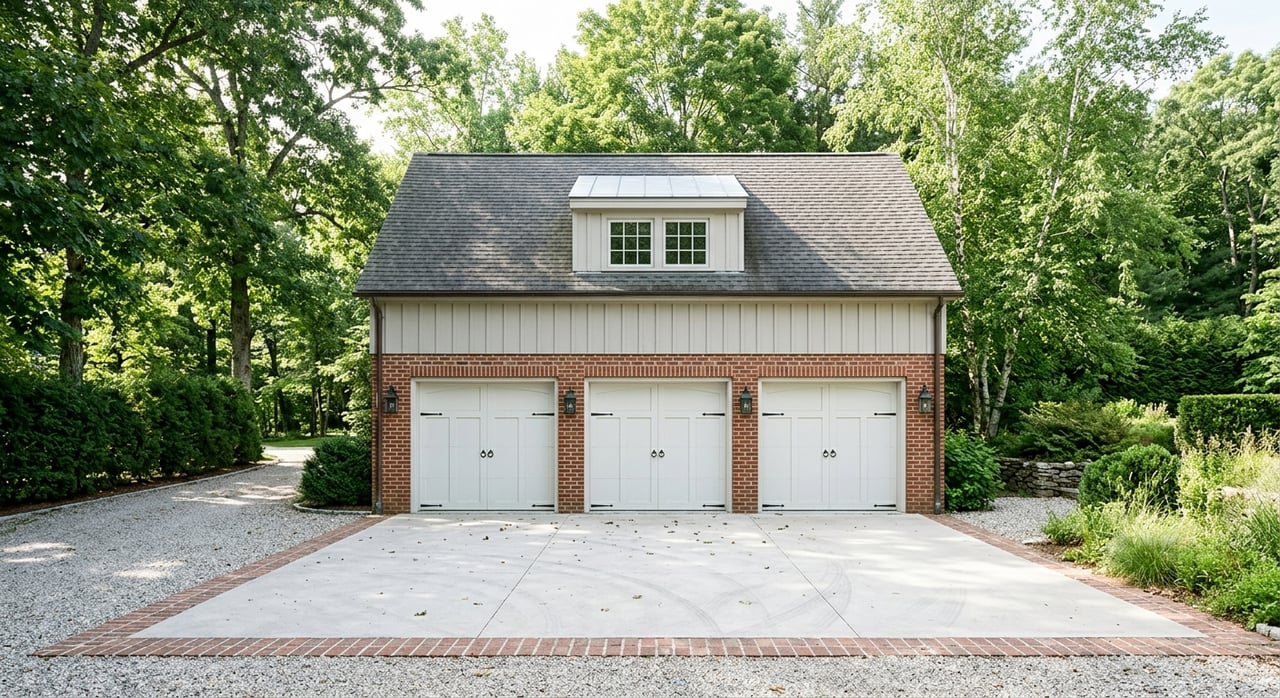
On an estate property, buyers often see outbuildings as part of the lifestyle and utility of the home. A barn, shed, workshop, pool house, or detached garage can add real appeal, but only if it looks well maintained and properly integrated with the rest of the property.
Summerfield allows accessory structures in several residential and rural districts, and the town’s rules note that a plot plan may be required for approvals involving principal or accessory residential structures. Before listing, it helps to make these buildings feel orderly, useful, and documented.
Prepare barns, sheds, and other structures
- Remove clutter and store tools neatly
- Touch up paint, trim, or siding
- Clean roofs, gutters, and doors
- Replace broken lights or hardware
- Sweep floors and remove cobwebs
- Organize equipment storage areas
- Gather permits or as-built records if available
If a buyer sees an outbuilding as a bonus rather than a project, you are in a much stronger position.
Clean up drainage and site edges
Natural features are often a big part of a Summerfield property’s appeal, but they need to look managed. Drainage swales, pond edges, creek buffers, wooded borders, and lower-lying areas can raise questions if they appear ignored or overgrown.
Summerfield’s environmental standards favor natural drainage patterns, vegetative cover, and protection of stream buffers, wetlands, and steep slopes. For a seller, that means these areas should be part of your pre-listing checklist. A cleaned-up swale or stabilized slope sends a very different message than one that looks eroded or forgotten.
Watch for these red flags
- Erosion near driveways or drainage channels
- Overgrown pond or creek edges
- Exposed soil on slopes
- Standing water in visible areas
- Washed-out mulch or gravel
- Fallen limbs along property boundaries
You do not need to make the land look artificial. You do want it to look stable, maintained, and easy for a buyer to understand.
Highlight outdoor living and recreation
Summerfield’s planning vision places value on attractive community appearance, open space, recreation, and connectivity. The town also points to trails and greenways as an important part of its long-term plan, and Bandera Farms Park is noted as a 120-acre outdoor destination with walking and equestrian trails, picnic areas, and an adventure playground. That broader context helps explain why outdoor living features can carry extra weight with local buyers.
If your estate home includes a terrace, covered porch, fire pit, pool area, garden space, hobby acreage, or equestrian-oriented setup, treat that space like a true extension of the home. Stage seating areas, define uses clearly, and make sure views are open where possible. Buyers should be able to picture how the outdoor space supports daily life and entertaining.
Gather records before you list
Documentation can make a luxury or estate sale feel much smoother. On larger lots, buyers often have more questions about systems, improvements, and site work. If you can answer those questions early, you reduce uncertainty and build confidence.
A strong pre-listing file may include:
- Permits for additions or accessory structures
- Well service records
- Septic service or inspection records
- Invoices for major landscaping work
- Records for drainage improvements
- Tree work documentation
- Exterior lighting or site upgrade invoices
This step is especially useful in Summerfield, where rural properties often depend on private well and septic systems and where town rules can tie improvements to plan review and permitting.
Use the right prep sequence
One of the biggest mistakes sellers make is doing work out of order. If you stage and photograph too early, then later repair fences, trim trees, or clean up drainage, you may end up repeating work or delaying the launch.
A more efficient sequence for many Summerfield estate homes looks like this:
- Landscape cleanup and tree care
- Fence and exterior lighting review
- Outbuilding repairs and organization
- Drainage and site-edge cleanup
- Final staging and photography
This order helps the property feel complete and cohesive when it hits the market. It also helps you spend money where buyers are most likely to notice it.
Avoid over-improving before sale
Not every project will deliver a return. In a market like Summerfield, buyers often reward condition, care, and presentation more than highly personal upgrades completed right before listing. The goal is not to redesign the property for someone else. The goal is to remove distractions and make the home’s strongest features easy to see.
That is where a thoughtful listing strategy matters. With the right guidance, you can decide which updates are worth doing, which can be left alone, and how to position your home’s land, privacy, and improvements in a way that speaks to the right buyers.
Selling an estate property in Summerfield takes more than a sign in the yard. It takes a plan that respects the character of the property, highlights what buyers value in this market, and brings everything together in a polished way. If you are thinking about listing, Colleen Long can help you prioritize improvements, coordinate the details, and prepare your home for a confident market launch.
FAQs
What should you fix first before listing an estate home in Summerfield?
- Start with landscaping and tree care, then review fencing, lighting, outbuildings, and drainage before scheduling staging and photography.
Why do outdoor features matter so much for Summerfield homes?
- Summerfield’s rural, large-lot character means buyers often place strong value on acreage, privacy, tree cover, outdoor living space, and recreation-oriented property features.
What records should you gather before selling a Summerfield estate home?
- Try to collect permits for additions or accessory structures, well and septic records, and documentation for landscaping, drainage, tree work, or lighting improvements.
How should you prepare barns or sheds before listing a Summerfield property?
- Clean them out, make minor repairs, touch up visible wear, and organize the space so buyers see utility and care rather than deferred maintenance.
When should you start exterior work before a Summerfield summer listing?
- Earlier in the season is usually better, since exterior cleanup, lawn recovery, trimming, and paint touch-ups are often easier before peak summer heat arrives.