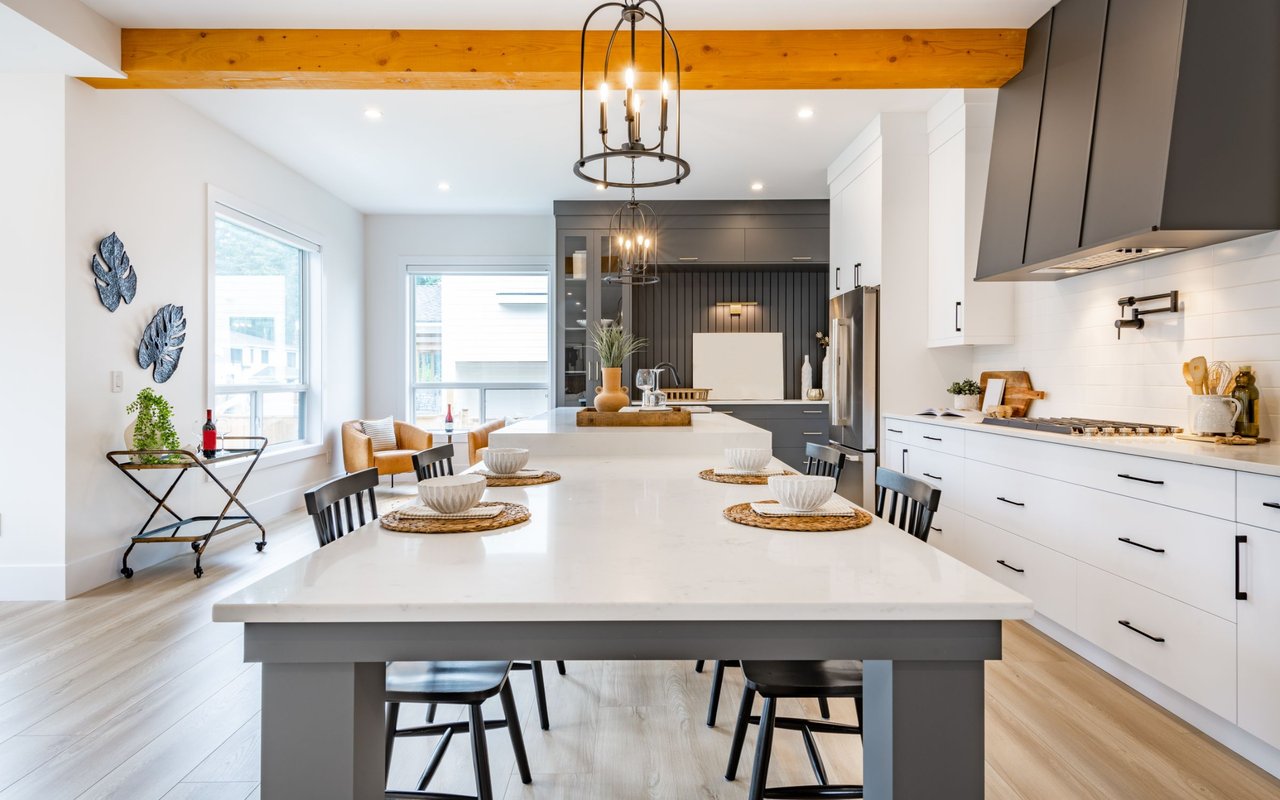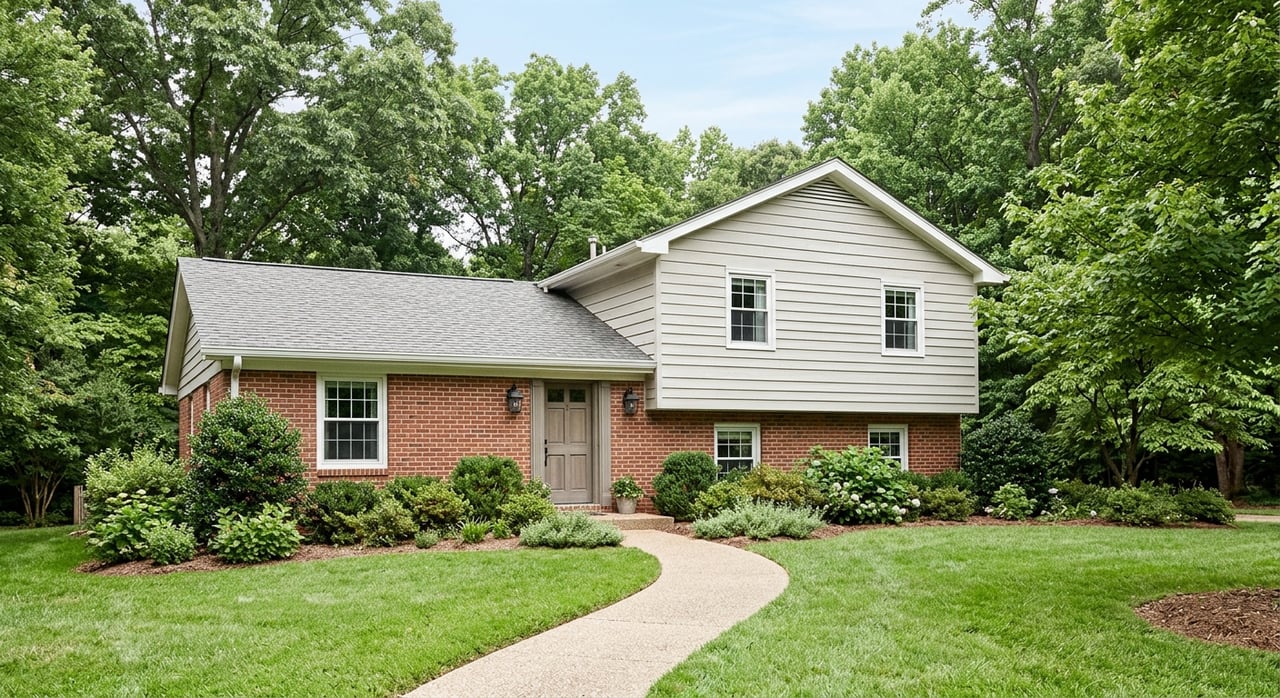
If you are looking for more space, a quieter setting, and easy access to parks without feeling too far from Greensboro, Oak Ridge may already be on your shortlist. It can be an appealing option for buyers who want a semi-rural feel and a more spread-out housing pattern, but it is not the right fit for every lifestyle. Understanding how Oak Ridge is planned, how homes are laid out, and what daily life looks like can help you decide with confidence. Let’s dive in.
What Oak Ridge Feels Like
Oak Ridge is a small town in Guilford County, just northwest of Greensboro. Town materials highlight its rural roots, natural beauty, open space, and village-style character, which gives you a good sense of what the community values.
The housing profile also tells an important story. Census QuickFacts shows a 92.2% owner-occupied housing rate and a median owner-occupied home value of $529,300, compared with $288,900 statewide in North Carolina. In practical terms, that points to a market with a strong ownership base and higher home values than the state average.
Oak Ridge also has a preservation-minded feel shaped in part by local history, including the Old Mill of Guilford and Oak Ridge Military Academy. If you are drawn to places that protect their identity over time, that may be part of the appeal.
How Housing Differs in Oak Ridge
One of the biggest things to understand about Oak Ridge is that it is not built like a denser in-town neighborhood. The town’s land-use plan focuses on preserving open space, agricultural land, and historic resources, which affects how neighborhoods look and how new development is guided.
Outside the town core, planning documents recommend RS-40 zoning in certain areas, which generally supports detached homes on large lots. The zoning ordinance says this district is intended for areas without public water and wastewater services, with gross density typically one unit per acre or less.
Inside the town core, the picture can be somewhat different. The town says clustered and mixed-density housing, including attached homes, patio homes, and detached homes up to two units per acre, may be appropriate there. That means your options can vary depending on exactly where in Oak Ridge you are looking.
Expect More Land and Privacy
If you want room between homes, mature natural surroundings, and a lower-density setting, Oak Ridge may line up well with your goals. Many buyers are drawn to the sense of privacy and breathing room that comes with larger lots and a more rural development pattern.
If your ideal move involves a compact neighborhood with dense housing, short blocks, and a walk-everywhere layout, Oak Ridge may feel less convenient. The town is more corridor-based than grid-based, and everyday movement often depends on driving.
Utility Access Can Vary
Another detail worth checking early is utility service. A current town update notes ongoing water-system construction along NC 150 and Linville Road, so you should verify parcel-level utility access instead of assuming the same service pattern applies across town.
That step matters because lot size, zoning, and utility availability can all affect what daily living looks like at a property. It can also influence future plans for additions, outdoor improvements, or other changes.
Historic District Homes Need Extra Review
Oak Ridge includes a historic district that covers more than 400 acres. According to town materials, it includes 37 historic buildings and 16 tracts of open land, with architectural styles ranging from Quaker and National Folk to Neoclassical, Craftsman, and Queen Anne.
If you are considering a home in the historic district, it is smart to understand what that means before you write an offer. The town says exterior changes are reviewed for compatibility, and design standards apply across the district, including open spaces.
That does not automatically make a historic-district home harder to own. It simply means you should go in with clear expectations about approvals, property updates, and the importance of preserving the surrounding character.
Commute and Driving in Oak Ridge
For many buyers, Oak Ridge offers a balance between a quieter home setting and access to nearby employment and shopping areas. Census QuickFacts lists a mean travel time to work of 20.6 minutes, which suggests the town can work well for commuters.
At the same time, Oak Ridge is best understood as a drive-oriented community. The town’s planning and transportation focus center on key corridors like NC 68 and NC 150, rather than on a dense street grid.
A current NCDOT-managed project at the NC 68/NC 150 intersection includes traffic circles at Linville Road and at NC 150 and Marketplace Drive. That means drive patterns may shift while road work continues, so it is worth testing your likely routes at the times you would actually travel.
Who the Commute Works Best For
Oak Ridge is often a good fit if you are comfortable driving to work, errands, and activities while enjoying a less dense home environment. If your priority is being able to walk to most daily needs, the town’s layout may feel more limited.
This is not necessarily a drawback. It is simply part of matching your lifestyle to the way the town is designed.
Parks and Outdoor Living Are a Big Plus
One of Oak Ridge’s strongest lifestyle advantages is its recreation system. If outdoor access matters to you, this is an area where the town stands out.
The town operates the 80-acre Oak Ridge Town Park, which includes playgrounds, picnic shelters, trails, a mountain bike trail, a dog park, fields, and event space. It also maintains the 60-acre Heritage Farm Park, with trails, fields, and an inclusive playground.
Then there is the Cascades Preserve, a roughly 130-acre open-space tract with nearly two miles of trail. The town also maintains Mountains-to-Sea Trail segments, paved walking trails, and mountain bike trails, with more trail planning underway.
For buyers who want daily access to green space, this can be a meaningful part of Oak Ridge’s appeal. You may not get a highly urban setting, but you do get a town where parks, trails, and open land are clearly part of everyday life.
Schools and Daily Errands
If school assignments are part of your home search, Oak Ridge requires a property-specific check. The town says most Oak Ridge addresses are assigned to Oak Ridge Elementary, some to Stokesdale Elementary, and Northwest Middle and Northwest High serve all of Oak Ridge.
Oak Ridge Military Academy is also part of the local education landscape. Since assignments can vary by address, it is best to confirm the current school zoning for any home you are seriously considering.
For shopping and errands, Oak Ridge is intentionally planned with commercial development concentrated in the town core. The town’s plan also calls for sidewalks in the core, while lower-density areas may rely more on trails and greenways than a full sidewalk network.
That means your day-to-day convenience may depend on where you live within town. Some errands may feel close and straightforward, while others will still involve getting in the car.
Is Oak Ridge the Right Fit for You?
Oak Ridge tends to be a strong match if you want:
- Larger lots
- More privacy
- A semi-rural setting
- Access to parks and trails
- A location within reach of Greensboro
It may be less appealing if you want:
- A more urban pace
- A denser mix of attached housing
- A walk-everywhere layout
- A broader commercial footprint nearby
Before making an offer in Oak Ridge, it is wise to verify a few details at the property level:
- Utility access
- Historic-district status
- HOA rules
- School assignment
Those checks can help you avoid surprises and make sure the home matches both your budget and your day-to-day needs.
Why Local Guidance Matters in Oak Ridge
Because Oak Ridge has a mix of large-lot homes, town-core development patterns, historic-district considerations, and varying utility access, the details matter. Two homes in the same town can offer very different living experiences depending on lot size, road access, zoning context, and location within the community.
That is where local, hands-on guidance can make your search smoother. When you have a clear picture of how Oak Ridge functions beyond the listing photos, you can make a better move for the way you actually live.
If you are thinking about buying or selling in Oak Ridge or anywhere in the Triad, Colleen Long offers experienced, local guidance with a relationship-first approach and thoughtful support at every step.
FAQs
Is Oak Ridge, NC a good fit for buyers who want larger lots?
- Yes. Oak Ridge’s planning and zoning framework supports lower-density housing in many areas, and RS-40 zoning is generally intended for detached homes on large lots with density typically at one unit per acre or less.
Is Oak Ridge, NC walkable for everyday errands?
- Oak Ridge is generally more drive-oriented than walk-oriented. Commercial activity is concentrated in the town core, and lower-density areas may rely more on trails and greenways than a full sidewalk network.
Are all Oak Ridge, NC homes on the same utility systems?
- No. Utility access can vary by property, and the town notes ongoing water-system construction along NC 150 and Linville Road, so parcel-level verification is important.
What parks and trails are available in Oak Ridge, NC?
- Oak Ridge offers Oak Ridge Town Park, Heritage Farm Park, the Cascades Preserve, Mountains-to-Sea Trail segments, paved walking trails, and mountain bike trails.
Do school assignments vary by address in Oak Ridge, NC?
- Yes. The town says most addresses are assigned to Oak Ridge Elementary, some to Stokesdale Elementary, and Northwest Middle and Northwest High serve all of Oak Ridge, so each property should be checked individually.
What should buyers verify before purchasing a home in Oak Ridge, NC?
- Buyers should confirm utility access, historic-district status, HOA rules, and school assignment before making an offer.