Selling in High Point can feel simple until you see how much prices vary from one ZIP code to the next. If you want a strong result, you need more than a citywide average and a quick clean-up. You need a plan for pricing, prep, photos, and timing that matches your home and your neighborhood. Let’s dive in.
Price for your block, not the whole city
High Point is best understood as a high-$200Ks market, but that broad view only tells part of the story. Recent market snapshots showed median sale and list prices around $279,833 to $286,000, with homes taking about 43 to 46 days to sell. Homes were also selling at about 99% of asking in May 2026, which points to a market where pricing still matters a great deal.
That citywide number can be misleading if you use it as your main benchmark. Median listing prices have varied widely by ZIP code, from about $323,500 in 27265 to about $186,650 in 27260. Downtown High Point also showed a different median listing price, around $218,000, which is why hyperlocal pricing matters.
Why neighborhood comps matter most
The best list price starts with comparable sales, often called comps. These are similar homes that have recently sold in the same area, and a pricing analysis can also look at homes currently on the market or under contract. Your home’s condition, your competition, and your timing goals all shape the final number.
If you price from a broad city average instead of nearby comparable homes, you can miss the mark. A home in one part of High Point may compete in a very different price band than a similar-sized home across town. Buyers compare your home to the nearest realistic alternatives, not to the entire city.
Don’t lean on tax value alone
It is also important not to confuse assessed value with market value. Guilford County revalues real estate on a five-year cycle, and the 2026 reappraisal will assign new values at current market value. That means a tax assessment and an active market price are not the same thing.
If you set your price based mostly on a tax figure, you may end up too high or too low. A market-ready pricing strategy should reflect recent local sales, current competition, and your home’s condition today.
Avoid the overpricing trap
Overpricing often feels safe at first, especially if you hope to leave room to negotiate. In practice, it can work against you. Pricing guidance for consumers consistently points to the same risk: homes that overreach may sit longer and require price cuts later.
In High Point, that matters because buyers are still watching value closely. When homes are selling near asking price, buyers expect the price to feel justified. If your number looks aspirational instead of supportable, you may lose the strongest early interest.
Match the price to your goal
Your list price should reflect what matters most to you.
- If your priority is speed, a more competitive price can help.
- If your home is in stronger condition than recent comps, that may support a higher price.
- If you need to sell on a specific timeline, pricing should support that schedule.
- If the home needs visible repairs or updates, the price should account for them.
This is where a marketing-led, consultative approach makes a difference. You want a pricing conversation grounded in nearby sales and current demand, not guesswork.
Make the first week count
Your home gets its best attention right after it hits the market. New listings tend to get the most views in the first two days, and attention drops by day five. That means your launch should happen only after the home is fully ready.
This point is especially important in High Point because some homes still move quickly. While the broader market pace has been in the mid-40-day range, hot homes can go pending in about 24 days and around list price. The first impression can shape your entire sale.
Launch ready, not rushed
If you list before the home is prepared, you may waste your strongest window. Buyers will notice incomplete repairs, clutter, or weak photos right away. It is usually better to wait until the home is cleaned, staged where it matters, photographed well, and supported by accurate pricing.
A strong launch sequence looks like this:
- Finalize pricing from hyperlocal comps.
- Declutter and deep clean the home.
- Handle minor repairs and touch-ups.
- Improve curb appeal.
- Stage key rooms.
- Schedule professional photography.
- Go live when everything is ready.
Focus your prep where buyers notice it most
You do not need to remodel your entire house to improve market appeal. In many cases, the highest-value prep work is also the most practical. The most common seller recommendations include decluttering, whole-home cleaning, curb appeal, professional photos, and minor repairs.
That is good news if you want a smart, efficient plan. You can improve presentation without taking on a major renovation project.
Stage the rooms that matter most
Staging helps buyers picture how a home can function and feel. In a 2025 staging report, 83% of buyers’ agents said staging makes it easier for buyers to visualize a home as a future residence. That benefit alone can make your listing easier to understand and more memorable.
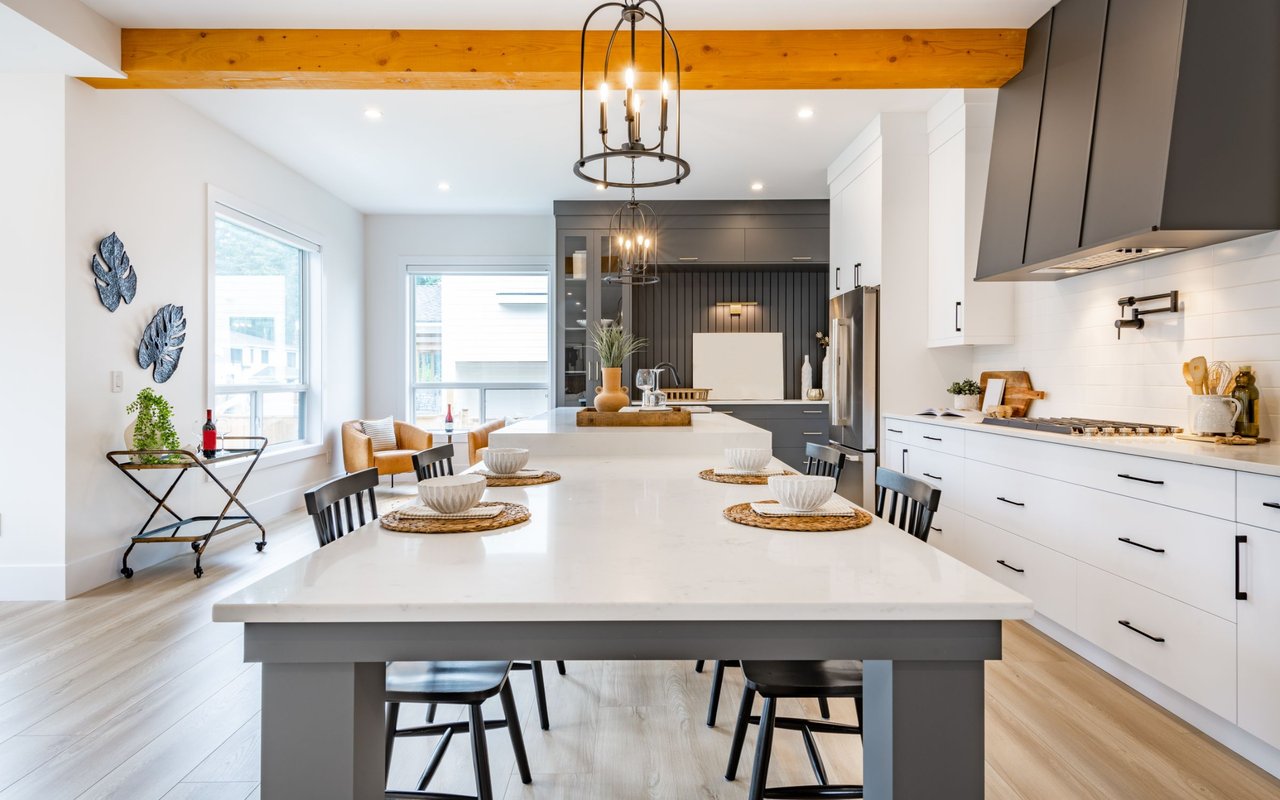
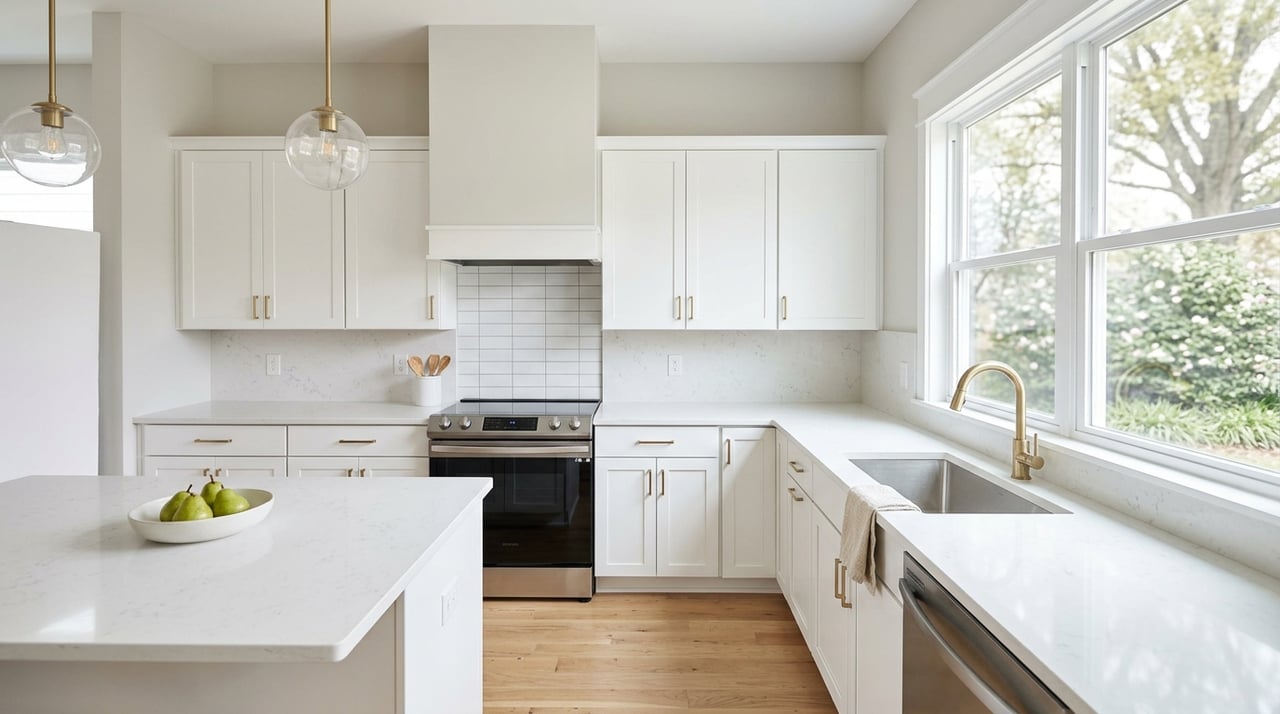
You also do not need to stage every room equally. Buyers’ agents ranked the living room, primary bedroom, and kitchen as the most important spaces to stage. Sellers’ agents also most often staged the living room, primary bedroom, dining room, and kitchen.
If you want to simplify the process, start with those high-impact rooms:
- Living room
- Primary bedroom
- Kitchen
- Dining room
Think clarity, not perfection
The goal of presentation is not to create a magazine set. The goal is to help buyers see the space clearly. That usually means less furniture, fewer personal items, cleaner surfaces, and better flow from room to room.
A calm, neutral presentation also photographs better. If buyers can quickly understand the size, light, and layout of your home, they are more likely to schedule a showing.
Put photos at the center of your strategy
Photos are one of the most important parts of your listing launch. Buyers’ agents rated photos as more important than physical staging, videos, or virtual tours. Sellers’ agents also ranked photos as the most important listing asset.
That supports a simple rule for High Point sellers: prep first, photos second, launch third. If your photos are strong, your listing has a better chance of standing out during those critical first few days.
Why professional photography matters
Your online presentation is often the first showing. Buyers may decide within seconds whether your home feels worth a visit. Bright, accurate, well-composed photos can highlight space, condition, and natural light in ways that casual snapshots cannot.
This is where Colleen Long’s marketing-first approach can be especially valuable. With a background in marketing and a hands-on listing process, she helps sellers align prep, staging, and photography so the listing goes live with purpose.
Be realistic about staging costs and payoff
If you are weighing staging, it helps to know the typical cost range. Recent data showed a median spend of about $1,500 for a professional staging service and about $500 when the agent personally staged the home. The right choice depends on your home, your budget, and how much work is needed.
The payoff is not always dramatic in one single metric, but it can still be meaningful. Among sellers’ agents, 19% said staging raised offered value by 1% to 5%, while 30% said it slightly reduced market time. In a market where first impressions matter, even a modest edge can help.
Keep your paperwork aligned with the home
Preparation is not only visual. In North Carolina, sellers of residential property generally must provide the Residential Property and Owners’ Association Disclosure Statement. Most residential sales also require the Mineral and Oil and Gas Rights Mandatory Disclosure Statement.
The disclosure form covers many of the issues buyers care about most. That includes items such as structure, plumbing, electrical and HVAC systems, water and septic, infestations, zoning, encroachments, and environmental conditions.
Build a clean seller file early
A smoother listing often starts with organized documents. Before you launch, it helps to gather:
- Repair and maintenance records
- Owners’ association documents, if applicable
- Notes on known issues or prior repairs
- Basic system information for the home
This does not replace legal or transaction guidance, but it does make your listing process easier to manage. A well-prepared seller file supports a more confident launch and fewer surprises later.
Your High Point seller playbook
If you want the short version, here it is: price from neighborhood comps, not broad averages. Prep the home around the rooms and details buyers notice first. Then launch only when the home, the photos, and the paperwork are ready.
That approach fits the reality of today’s High Point market. Some homes take weeks to sell, while well-positioned homes can move much faster. The sellers who tend to stand out are the ones who treat pricing and presentation as one connected strategy.
If you’re thinking about selling in High Point and want a plan tailored to your home, Colleen Long can help you build a smart pricing and presentation strategy from day one.
FAQs
How should you price a home in High Point, NC?
- The strongest approach is to use nearby comparable sales, your home’s condition, current competition, and your timeline goals rather than relying on a citywide average or tax value alone.
What is the average time to sell a home in High Point?
- Recent market data showed homes taking about 43 to 46 days to sell, although some hot homes went pending in about 24 days.
Why are hyperlocal comps important for High Point sellers?
- High Point prices vary significantly by ZIP code and area, so neighborhood-level comps usually give a more accurate pricing picture than citywide medians.
Which rooms should you stage before listing a High Point home?
- The highest-priority rooms are typically the living room, primary bedroom, kitchen, and dining room because those are the spaces buyers tend to notice most.
What should you do before listing a home in North Carolina?
- A strong pre-listing plan includes decluttering, cleaning, minor repairs, curb appeal work, professional photos, and gathering disclosure-related records and documents tied to the home’s condition.