Are you dreaming of a porch swing, tree-lined streets, and timeless architecture? If Fisher Park is on your list, you are in the right place. Buying in a historic district is rewarding, but there are rules, approvals, and timelines to plan for. In this guide, you will learn how Fisher Park’s designation works, what a Certificate of Appropriateness (COA) requires, common renovation issues, and how to structure a smart offer. Let’s dive in.
Fisher Park designation explained
Fisher Park is recognized at the national and local levels. The National Register listing is largely honorary for private homeowners. Local designation is what typically governs exterior changes you can see from the street.
Local review in Greensboro focuses on exterior work that changes the property’s historic character. You should assume many visible exterior projects will require approval before permits are issued.
National vs. local rules
- National Register listing mainly affects federal undertakings and can connect certain income-producing properties to tax incentives.
- Local historic district rules, administered through Greensboro’s preservation program, usually control exterior changes visible from the public way.
- Local guidelines are commonly based on the Secretary of the Interior’s Standards for Rehabilitation.
Who to consult
- City of Greensboro Historic Preservation Division and Historic Preservation Commission for guidelines, COA applications, and meeting schedules.
- North Carolina State Historic Preservation Office for state guidance and programs for income-producing properties.
- National Park Service for the Secretary of the Interior’s Standards for Rehabilitation.
- Guilford County records and Greensboro permitting for property history and prior alterations.
What needs a COA
A COA confirms your proposed exterior work is appropriate for the home and district. Expect to obtain a COA before the city issues building permits for qualifying work.
Projects that typically require review
- Demolition or substantial exterior removal
- Additions or new construction, including garages
- Exterior alterations such as porches, primary facades, window or door replacements on street-facing sides, siding or cladding changes, roofline changes, and chimneys
- New site features visible from the street, including driveways, fences, and major landscape changes
- Routine, in-kind repair may not require a COA, but major repair or replacement of historic materials often does
COA steps and timing
Your application usually includes photos of existing conditions, drawings or site plans, material specs, and a narrative showing how the work follows local guidelines.
Review pathways
- Administrative staff review: Minor or like-for-like projects can be approved more quickly.
- Commission hearings: Significant projects or demolitions go to the Historic Preservation Commission in a public meeting.
How long it takes
- Administrative approvals: A few days to a few weeks is common.
- Commission-reviewed projects: Plan on about 4 to 8 weeks or more, depending on meeting cycles and revisions.
- Emergency repairs: Temporary or emergency approvals may be available. Check with staff on procedures.
If a COA is denied, most municipalities offer appeal routes. A denial can mean redesign, a narrower scope, or schedule impacts.
Styles you will see
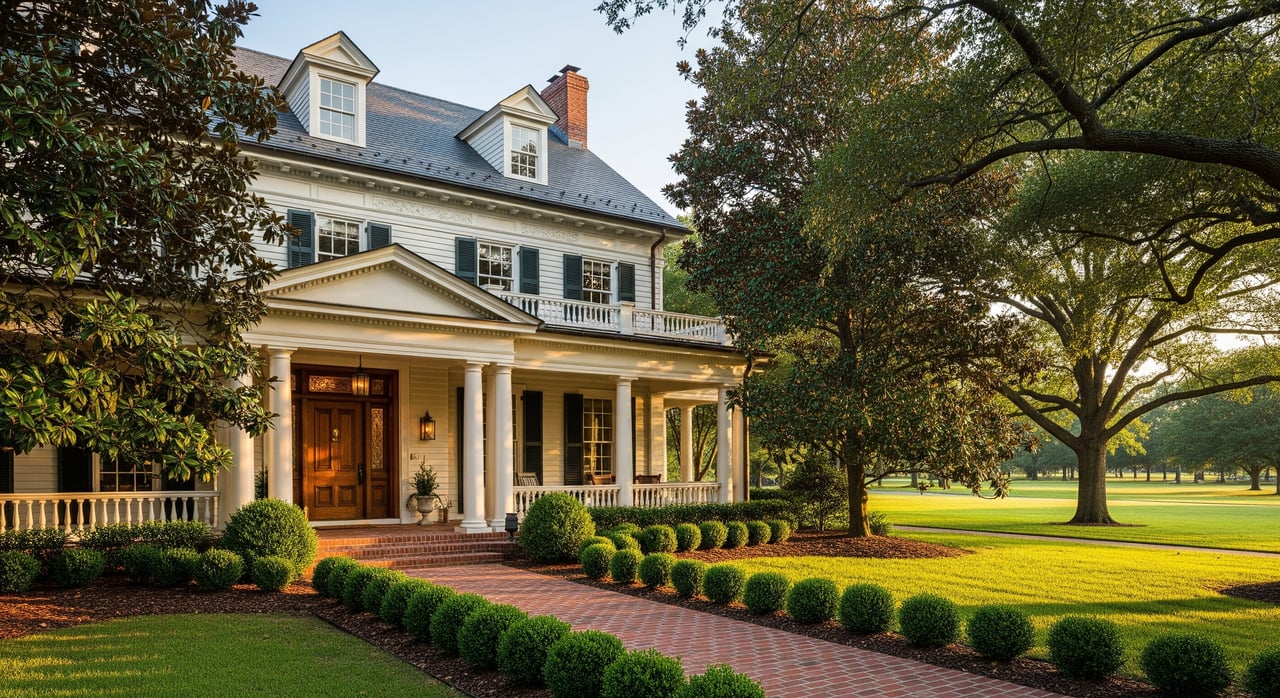
Fisher Park showcases early 20th-century character. You will find American Foursquares, Craftsman/Bungalows, Colonial Revival, Tudor Revival, and touches of Late Victorian or Queen Anne.
Expect large front porches, tapered columns, wide eaves, exposed rafters, symmetrical facades, multi-pane wood windows, wood siding or shingles, brick foundations, and decorative trim on some revival-style homes. The walkable fabric and mature trees define the streetscape.
Renovation issues to expect
Older Greensboro homes can be durable, but age brings predictable issues. Plan your inspections and budgets with these in mind.
- Foundations and moisture: Settling, deteriorated mortar, and crawlspace moisture from poor drainage
- Roof and drainage: Aging roofs, flashing concerns, original gutters and downspouts that may be undersized
- Porches: Rot in porch floors, columns, steps, and foundations
- Windows and doors: Weathered wood windows, glazing failure, or past replacements that may not match originals
- Mechanical systems: Galvanized plumbing, older wiring types, aging HVAC, and limited insulation
- Hazardous materials: Lead-based paint and possible asbestos in older materials; budget for testing and certified mitigation when needed
- Prior alterations: Enclosed porches, incompatible additions, or vinyl/metal siding that covers original materials
What preservation rules mean for upgrades
Local review emphasizes retaining and repairing original materials where possible. Compatible replacements are sometimes allowed, especially when matching appearance, profiles, and patterns.
Interior work is typically not regulated unless it affects the exterior. Energy upgrades are doable with thoughtful choices such as attic insulation, interior storm windows, and HVAC improvements that do not change the exterior look.
Permits vs. COAs
A COA is a design approval. Building, electrical, HVAC, and plumbing permits are separate and issued after any required design approvals. You typically need both in place before starting work.
Budget, costs, and incentives
Historic-appropriate materials and skilled trades often cost more than generic options. It is wise to build in a contingency for hidden conditions.
- Materials and labor: Custom millwork, historic masonry repair, and period-appropriate windows can carry premiums.
- Contingency: Plan an extra 10 to 30 percent for surprises uncovered during renovation.
- Administrative costs: COA application fees and potential consultant or architect fees.
- Incentives: Federal and state rehabilitation tax credits generally apply to income-producing properties. Owner-occupied homes typically do not qualify, though local programs may exist. Verify current offerings with the City and the NC SHPO before relying on them.
Hire the right team
Contractors and architects experienced with historic districts can save time and prevent missteps. Ask for examples of prior historic work and insist on written scopes and material specifications.
Keep copies of COAs, approved plans, and permits. These documents should transfer to future owners and will help with future projects and resale.
Offer and contingency strategies
The right contract strategy can protect your plans and your budget.
- Make inspections a strong contingency: general, structural, roof, HVAC, plumbing, electrical, pest/termite, and hazardous-material testing if the home predates 1978.
- Add a COA contingency: If you plan exterior changes, make your purchase contingent on obtaining necessary COAs within a set timeframe.
- Consider timing: For major work, request a pre-application conversation with staff before you finalize plans.
- Negotiate risk: For complex projects like additions or new construction, ask the seller to share past COAs and permits or negotiate price and escrow to cover review risk.
- Work with a local expert: An agent familiar with Greensboro historic districts can flag pitfalls and realistic timelines early.
Pre-offer buyer checklist
Use this quick list to gather the right information before you commit.
- Prior COAs and approvals for any exterior work
- Building permits for renovations or additions
- As-built plans, surveys, or architectural drawings
- Recent inspection reports or contractor records
- Hazardous-material testing or abatement documentation
- Evidence of repairs performed in-kind versus replaced
If demolition or major change is planned
Expect higher scrutiny for demolition. Some jurisdictions apply demolition delays or require proof that rehabilitation is not feasible. Be ready with detailed documentation, alternatives, and feasibility analyses if you plan substantial change.
Next steps
Buying a historic home in Fisher Park is a commitment to character, craft, and community. With the right preparation, you can preserve what makes your home special while upgrading it for modern living. If you plan early, build a realistic budget, and structure a thoughtful offer, you can enjoy the best of both worlds.
If you would like a local guide to COAs, inspections, contractors, and closing details, reach out to Colleen Long. You will get clear next steps, vendor introductions, and hands-on support tailored to Fisher Park.
FAQs
What does Fisher Park’s historic status mean for buyers?
- Local rules generally govern exterior changes visible from the street, while the National Register listing is primarily honorary for private owners.
What exterior projects usually need a COA in Fisher Park?
- Demolition, additions, porch changes, window or door replacements on primary elevations, siding or roofline changes, and new visible site features often require review.
How long does the COA process in Greensboro take?
- Minor projects can be approved in days to weeks; commission-reviewed projects often take 4 to 8 weeks or more, based on meeting schedules and revisions.
Are interiors regulated in Fisher Park homes?
- Interior work is typically not reviewed unless it affects the exterior or a special interior designation applies.
Can I replace original windows with vinyl in Fisher Park?
- Replacement may be allowed in some cases, but many commissions prefer repair or wood replacements that match original profiles. Always check local guidelines first.
Are there tax credits for owner-occupied Fisher Park homes?
- Rehabilitation tax credits generally apply to income-producing properties. Verify current options with the City and the NC SHPO before planning around incentives.